
Drawings
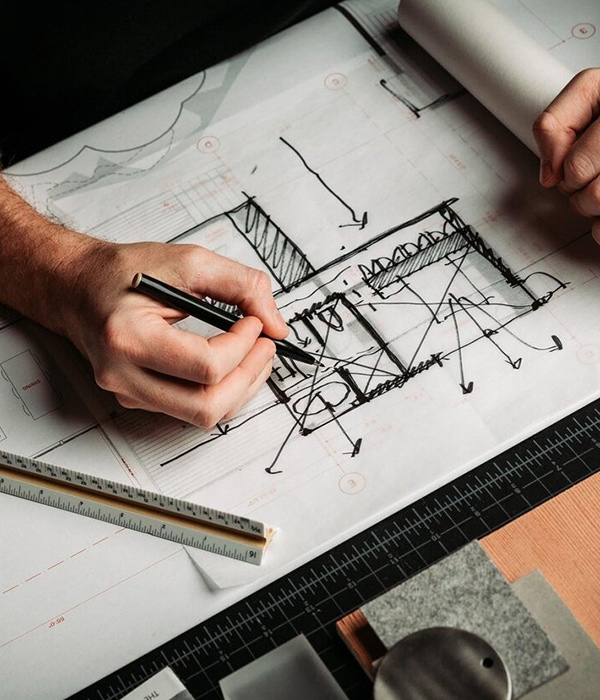 Types of drawings for building design
Many different types of drawing can be used during the process of designing and constructing buildings. Some of the more commonly-used types of drawing are listed below, with links to articles providing further information.
As-built drawings and record drawings
On building projects it is common for changes to be made during construction because of circumstances that emerge on site. As a result, it is common for as-built drawings to be prepared, either during the construction process or when construction is complete, to reflect what has actually been built.
The contractor will generally mark up changes to the ‘final construction issue’ drawings on-site using red ink, and these can then be used by the consultant team to create record drawings showing the completed project.
Assembly drawings can be used to represent items that consist of more than one component. They show how the components fit together and may include, orthogonal plans, sections and elevations, or three-dimensional views, showing the assembled components, or an exploded view showing the relationship between the components and how they fit together.
Block plan
Block plans usually show the siting of a project in relation to Ordnance Survey Maps. Conventions are used to depict boundaries, roads and other details. Depending on the size of the project, recommended scales are:
1 : 2500
1 : 1250
1 : 500
Component drawings
Generally, components are ‘self-contained’ and sourced from a single supplier, typically the complete unit provided by that supplier rather than its constituent parts. Component drawings provide detailed information about the individual units. They may be drawn at large scales such as; 1:10, 1:5, 1:2, 1:1, and so on. They may include information such as component dimensions, construction, tolerances, and so